Do I Need WHMIS for My Job?
Published: September 10, 2026 · Last updated: September 12, 2026
Need your WHMIS certificate? $11.75 CAD, most learners finish in under an hour, identity verified. Take the WHMIS course.
The 30 second answer
If you work with or near hazardous products, Canadian law requires you to be trained. WHMIS is set out in the federal Hazardous Products Act and its regulations, and the occupational health and safety law of every province and territory requires employers to make sure that workers who use, handle, store, or work near hazardous products receive WHMIS education and training. That obligation follows the work, not the job title: it applies whether you are full time, part time, a student, or a temp starting Monday.
If a job posting says “WHMIS required,” this is why. An employer cannot put you near hazardous products without it, and many prefer to hire people who already hold a certificate.
Jobs that typically need WHMIS
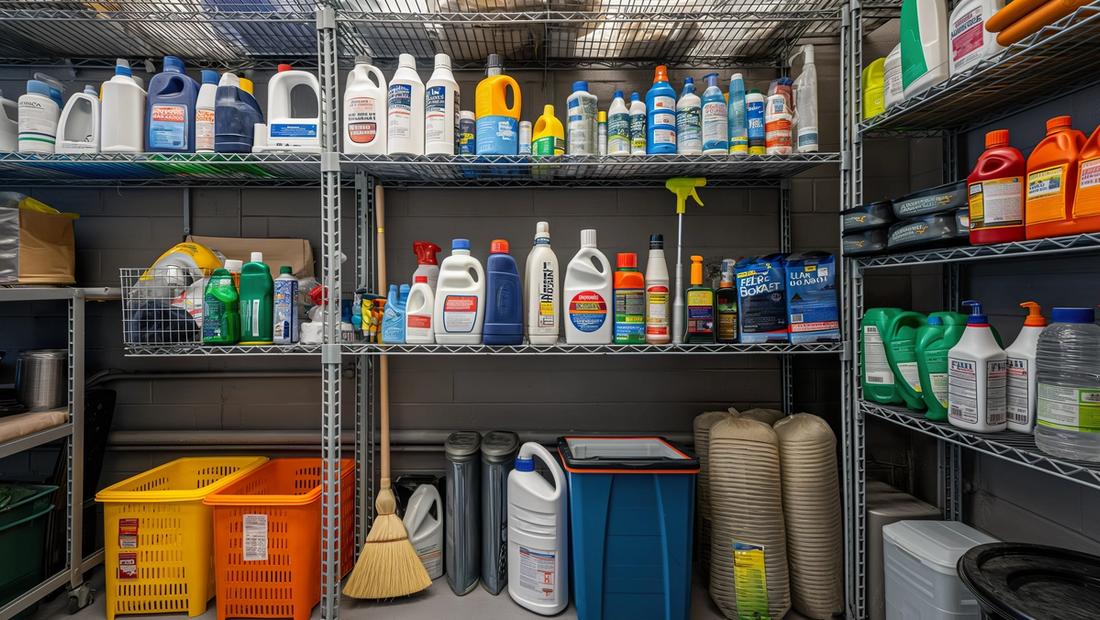
The test is simple: does the workplace contain products with hazard labels? That covers far more workplaces than most people expect.
- Warehousing and logistics: cleaning chemicals, battery charging areas, aerosols, fuels, and handling damaged goods.
- Manufacturing and shops: solvents, coatings, adhesives, compressed gases, and welding products.
- Construction and trades: concrete products, adhesives, fuels, sealants, and insulation products.
- Kitchens and food service: commercial degreasers, sanitizers, and oven cleaners. Restaurant chemicals are heavily represented in the WHMIS hazard classes.
- Cleaning and janitorial: very nearly the entire cart.
- Retail backrooms and grocery: receiving, spill response, and cleaning products in commercial quantities.
- Salons and spas: peroxides, acetone, and disinfectants.
- Labs, healthcare, and pharmacies: reagents, disinfectants, and sterilants.
- Agriculture and landscaping: fuels, crop treatments, and maintenance chemicals.
Who usually does not need it
If you only work with consumer products, the same bottles you would buy at a grocery store, used the way a consumer would use them, WHMIS does not formally apply. CCOHS guidance still recommends education on their safe use. Roles that are never near labelled hazardous products, which covers most office work, generally do not require WHMIS.
When in doubt, use this rule: if you can see a hazard pictogram anywhere in your workplace, assume you need WHMIS. At $11.75 CAD and under an hour, holding the certificate before you apply is cheaper than losing a shift while you wait for it.
What your employer still has to add
A WHMIS course provides the general education: the hazard classes, pictograms, labels, and Safety Data Sheets (SDSs) used across Canada. Your employer must add workplace specific training, which means the actual products in that building, where the SDSs are kept, and the site’s own procedures. Both halves are required. A good general certificate is what lets your employer’s half start on day one.
Whether your province changes the answer
No and yes. WHMIS is Canada’s national standard, so a proper WHMIS course is valid in every province and territory. What changes by province is who enforces it and how workplace inspections run. Our reference guide covers all 13 jurisdictions: WHMIS Across Canada.
What this looked like in practice
A composite drawn from patterns we see repeatedly, with details changed and no single employer depicted. A summer hire at a Calgary distribution centre was told on his first morning that he could not go onto the floor without WHMIS. The staffing agency had assumed the employer would handle it; the employer had assumed the agency already had. He lost two shifts waiting for a seat in the next scheduled session. The people hired alongside him who turned up already holding a certificate started that morning. The general education half of WHMIS is portable and it belongs to the worker rather than the employer, which is why buying it yourself is often the fastest route onto a payroll. That is what Gardril’s WHMIS General Education course is built to do, with the certificate tied to a verified person rather than a typed name.
Full disclosure: Gardril sells the course linked above, so we have a stake in this argument. It is also why we know exactly where the general education half stops and your employer’s half begins.
Frequently asked questions
Do I need WHMIS for my job in Canada?
If you work with or near hazardous products, yes. Provincial and territorial occupational health and safety law requires employers to ensure that workers who use, handle, store, or work near hazardous products receive WHMIS education and training, whether they are full time, part time, students, or temps.
Which jobs require WHMIS training?
Any job near labelled hazardous products: warehousing, manufacturing, construction, kitchens and food service, cleaning, retail backrooms, salons, labs, healthcare, and agriculture. If your workplace contains products carrying hazard pictograms, WHMIS applies.
Do office workers need WHMIS?
Workers who only use consumer products the way a consumer would are largely outside the formal WHMIS system, although CCOHS guidance still recommends education on safe use. Roles that are never near labelled hazardous products generally do not require WHMIS.
Do students and part time workers need WHMIS?
Yes. WHMIS obligations follow the work, not the employment type. There is no part time or student exemption.
Does WHMIS training expire?
There is no fixed legal expiry date. Employers must keep workers’ knowledge current and review training when products, hazards, or rules change, so refresher timing is set by your employer rather than by a national rule.
Is WHMIS training valid in every province?
WHMIS is Canada’s national standard and a proper course is valid in every province and territory. What varies is the occupational health and safety authority that enforces it in each jurisdiction.